
Native flowers have several noteworthy benefits for the environment, as they have evolved over centuries to be an integral part of their indigenous ecosystem. As such, they are custom-made by nature to thrive in their unique habitats. In Louisiana and elsewhere, native plants often form deep roots. These deep root systems generate healthy soil, facilitate water absorption, and prevent erosion. Many native plants are pollinators that support butterfly and bee populations and the subsequent reproduction of plants, including fruits and vegetables humans rely on as food sources. Additionally, native plants contribute to thriving ecosystems marked by biodiversity and ecological stability. Lastly, native plants create an attractive and harmonious landscape for people to enjoy.
Below, I provide description of 8 popular flowers that are native to Louisiana. Please keep in mind this list is incomplete. I also chose to present these common native flowers as a bulleted list instead of attempting to rank them. After all, how can you rank natural beauty and elegance?
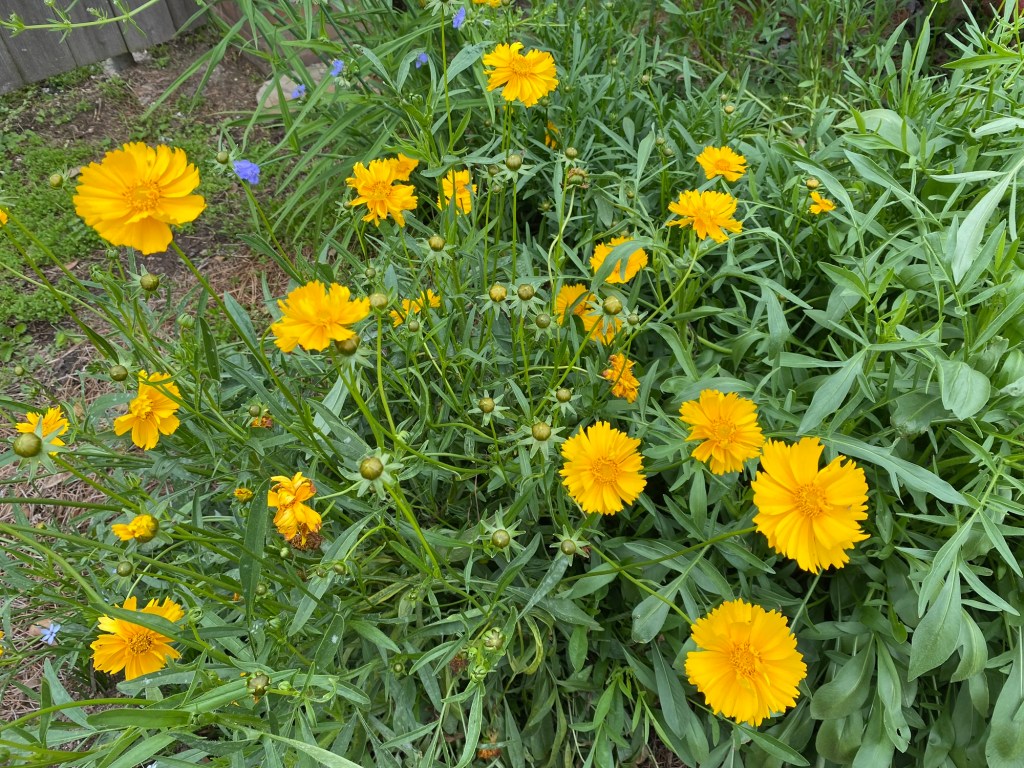
Lanceleaf Coreopsis (Coreopsis lanceolata), is a perennial herb in the aster family. They grow in clumps of up to 2 feet tall and are excellent for filling in flower beds. Lanceleaf Coreopsis has delicate yellow flowers that bloom in late spring and early summer. Dead-heading is recommended to encourage later blooming. As they are native to prairie habitats, they prefer drier soils and grow in a range of sun to shady conditions. In terms of propagation, they prolifically self-seed and can also be divided by roots.
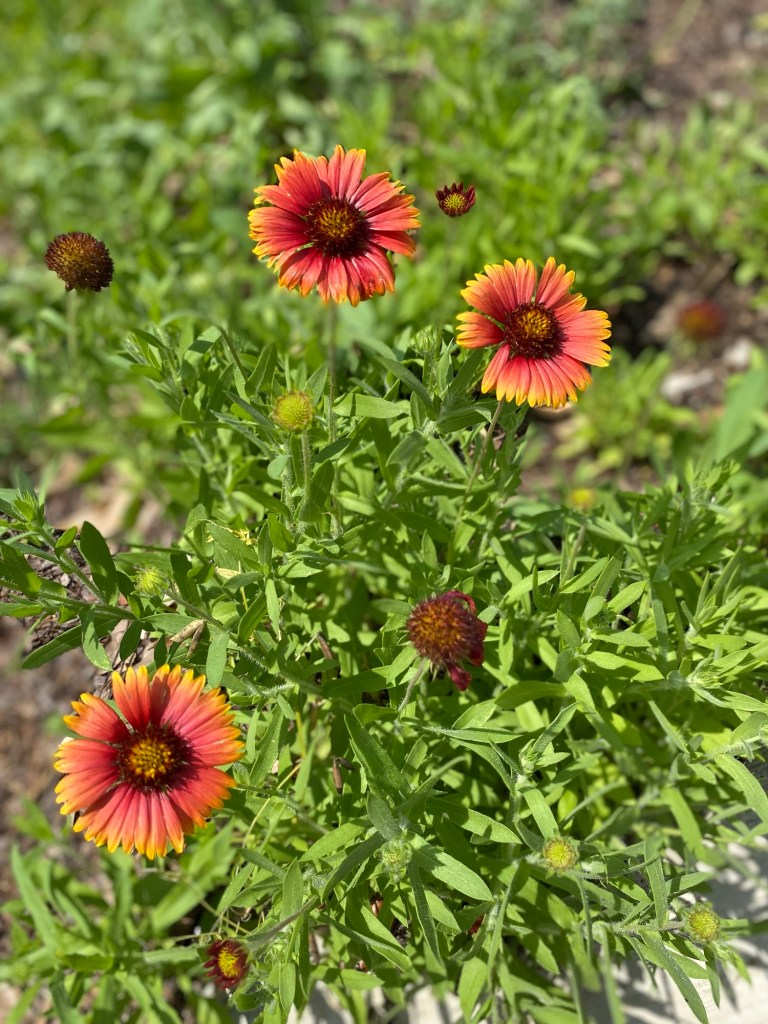
Indian Blanket (Gaillardia pulchella), is an annual that is prolific at reseeding. These beauties are common in prairies and meadows, and they are a favorite for butterfly and bee gardens. As a prairie native, they grow best in well-drained soil and in full to part-shade locations. I planted Indian blankets in my yard a few years ago, and each year since then they have enthusiastically volunteered. They have even popped up in unexpected locations!
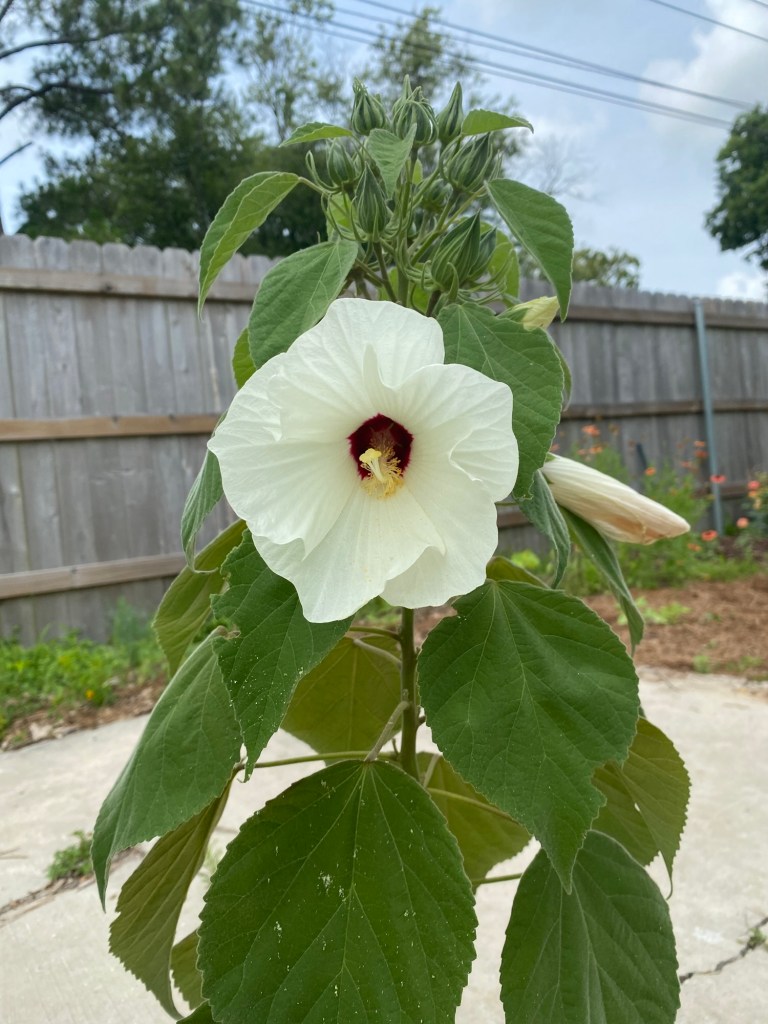
Wooly Rose Mallow (Hibiscus lasiocarpos), can grow to up to five feet tall and are known for their striking white flowers, often with a deep pink or red center, that bloom from April-September. They flourish in full sun and enjoy moist soils that characterize wetland habitats. They are well-adapted to the Louisiana climate as they tolerate heat and humidity well. Rose mallows can be propagated easily from seed or cuttings.
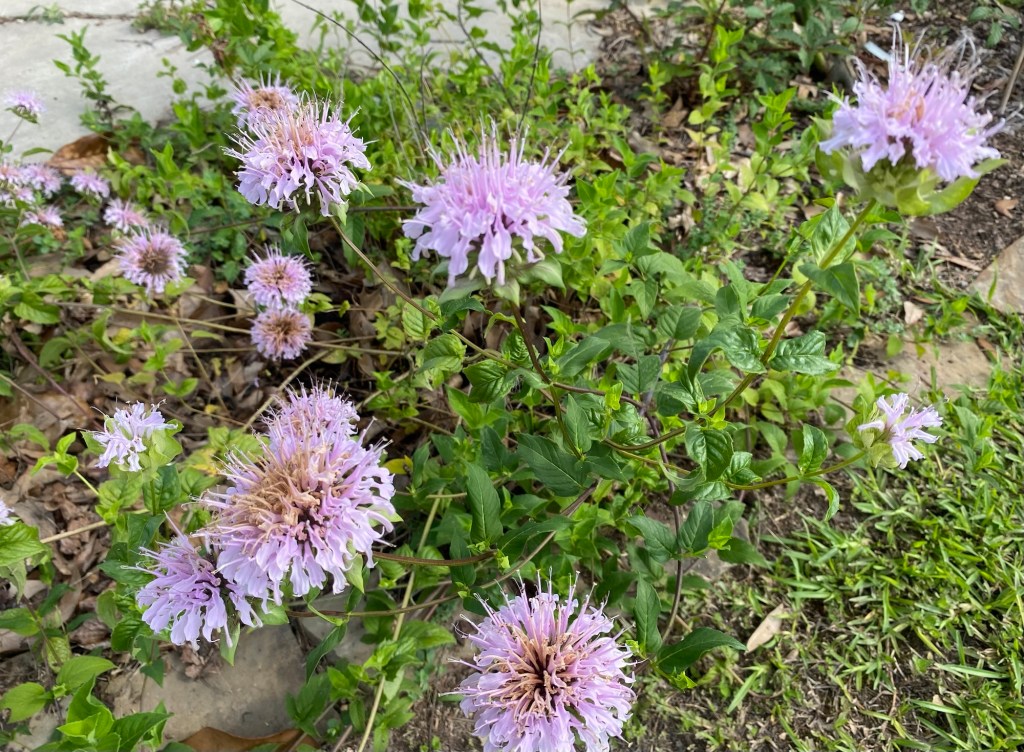
Wild Bergamot (Monarda fistulosa), is a member of the mint family that can be found with lavender, white, or pink blooms from May-September. Wild Bergamot is not finicky, as it can thrive in a range of soil and light conditions, from full sun to part shade. The plants can be propagated by seed or root division, and once established is a popular pollinator hummingbird and butterflies. Medicinally, leaves from the plant have been used to make soothing herbal tea to treat symptoms from the common cold, and the flowers themselves are edible.
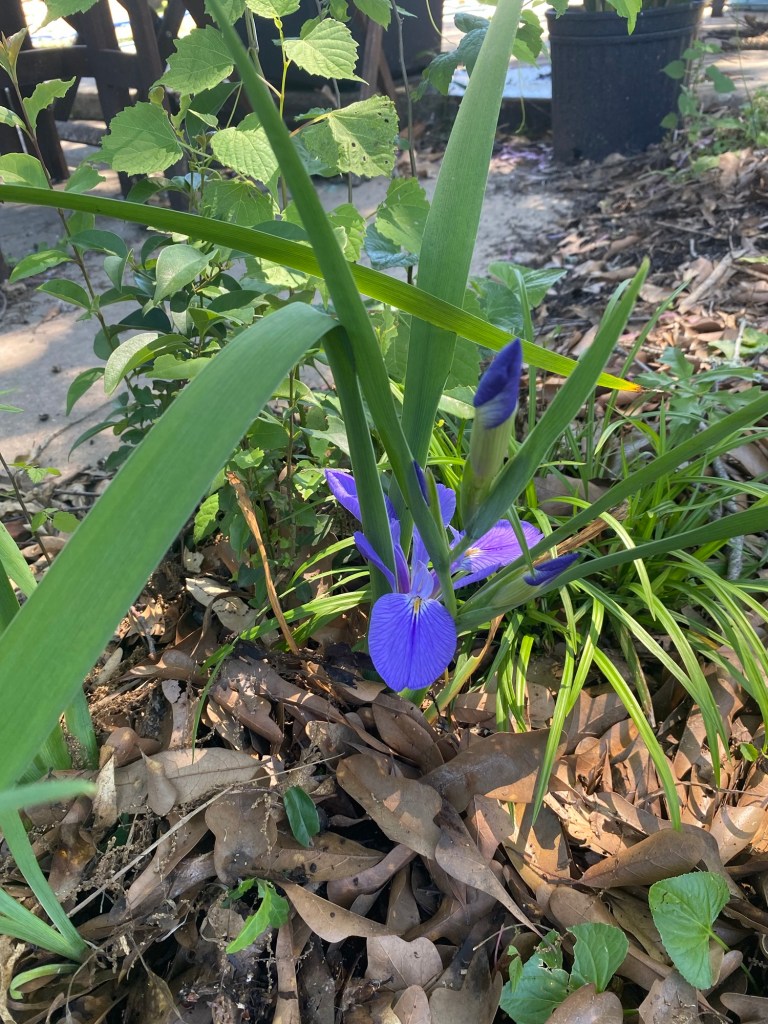
Louisiana Iris (Iris brevicaulis, Iris fulva, Iris giganticaerulea, Iris hexagona, and Iris nelsonii), are comprised of five species of iris that flourish in the wet, marginal areas of swamps in Louisiana. Although Louisiana iris are often associated with blue and purple flowers, they can also be found in shades of red, yellow, pink, and white. Louisiana iris are propagated by dividing and replanting the rhizomes, preferable in late summer or fall, as they are in a dormant period until they begin to bloom in the Spring. You will receive the best blooms from your iris if they are in full sun for at least 6 hours a day. However, my iris are in a mostly shaded location under and oak tree, and they still offer me gorgeous flowers.
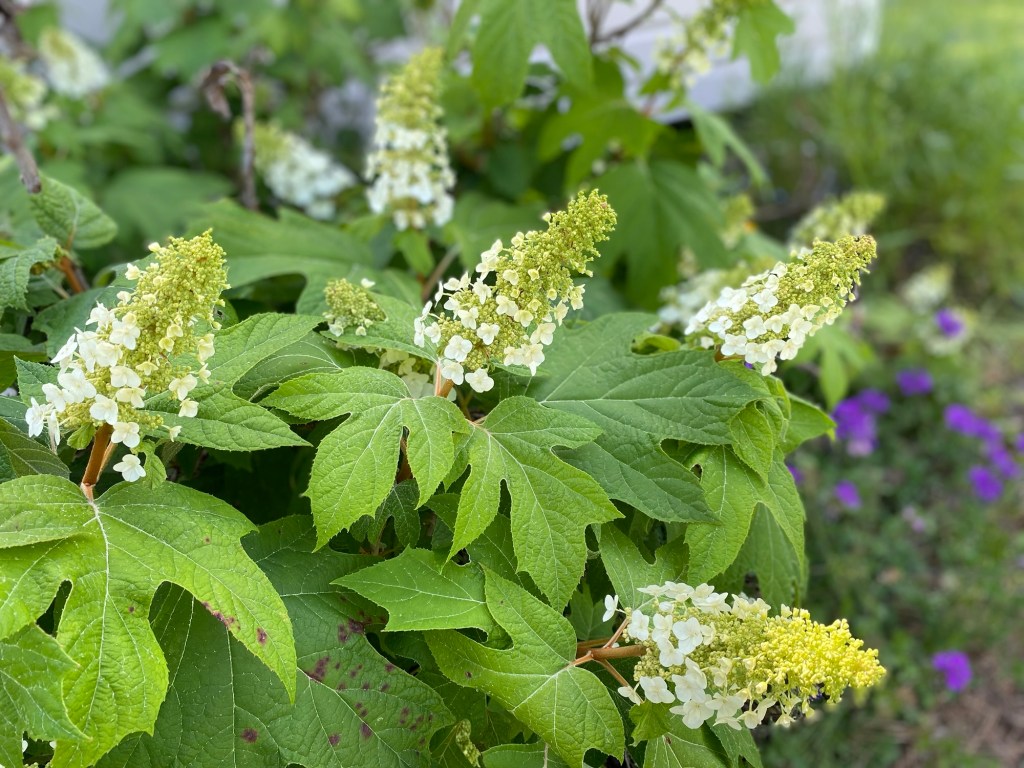
Oakleaf hydrangea (Hydrangea quercifolia), is a shrub that can grow between 3-8 feet tall. The blooms on this plant boasts elongated, cone shaped clusters and emerge green, turn to a downy white, and then transform to mauve as they age. The foliage resembles an oak leaf (hence the name), and changes to a stunning burgundy color in the fall. Flowers appear on old wood, so young plants need a season or two to reach their potential. Oakleaf hydrangea prefer well-drained soil with some moisture, and flourish in full sun to partial shade; they do especially well in morning sun with some afternoon shade. The best way to propagate these shrubs is with stem cuttings.
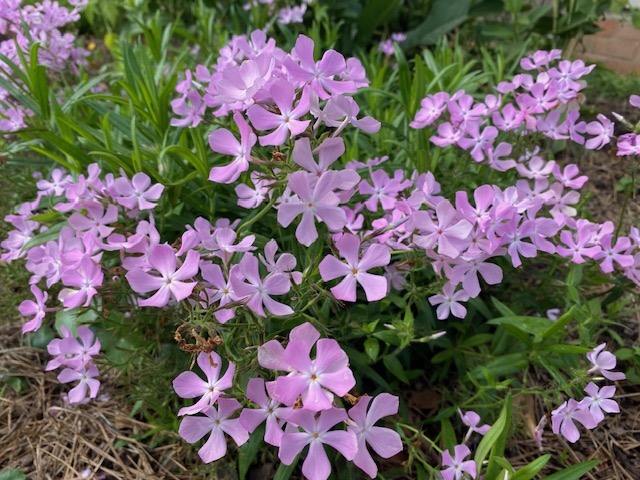
Praire Phlox (Phlox pilosa), is a mounded perennial that grows only 1-2 feet tall. Prairie phlox flowers form in clusters and range in colors from blue, pink, purple, and white. This species of phlox blooms from April to May and can be found in meadows and open woodlands. Prairie phlox enjoy sun to part-shade and thrive in dry, well-drained soil. Prairie phlox are best propagated by stem or root cuttings. They work well in native gardens as a ground cover, and along edges and borders.
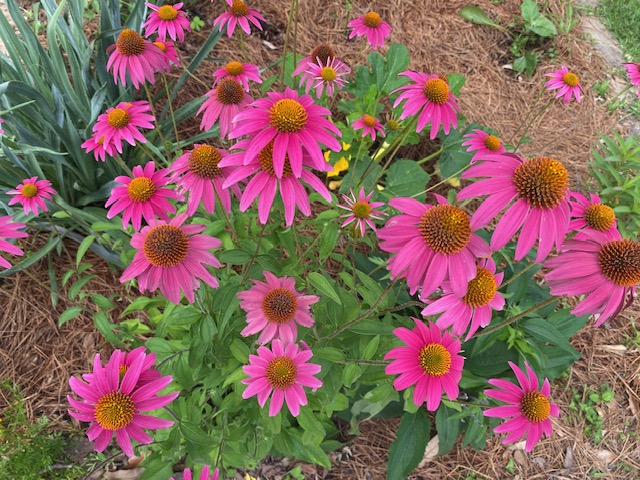
Purple Coneflower (Echinacea purpurea), is a native perennial that produces stunning pink-purple flowers that attract pollinator insects. Purple coneflowers can grow to 3-4 feet and bloom from April to September. The plant is heat tolerant and fairs well in dry, wooded areas and prairies in the eastern and southern United States. This native species can reproduce through self-seeding and by root division. Purple coneflowers have been used for folk medicinal purposes as a mild antibiotic and for supporting a healthy immune system.
 Jardin & Cuisine
Leave a comment